Understanding the psychological triggers behind gambling behavior
The Allure of Risk and Reward
The psychological framework of gambling is deeply rooted in the allure of risk and reward. Players often find themselves captivated by the idea that they could transform a small investment into a significant financial return. This potential for a large win creates an emotional high, which can be addictive. The thrill associated with this prospect encourages individuals to gamble more frequently, lured by the dopamine release in their brains when they anticipate a victory. At theboocasino.com, players can enjoy these thrilling experiences while navigating gameplay with clarity.

Furthermore, various studies suggest that the uncertainty of outcomes plays a critical role in enhancing the excitement of gambling. Players are often more engaged when there is an unpredictable element involved, as it keeps their adrenaline pumping. This feeling of uncertainty can sometimes override rational decision-making, leading individuals to chase losses or continue playing in hopes of recouping their money.
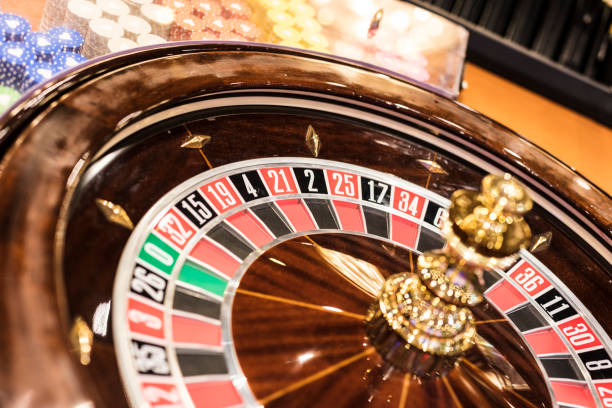
Additionally, the dynamic nature of gambling environments, particularly in casinos, is designed to stimulate the senses. Bright lights, upbeat music, and the sights and sounds of winnings can create an immersive experience that heightens emotional engagement. This sensory overload feeds into the psychological triggers, making it difficult for individuals to disengage once they have begun gambling.
The Role of Cognitive Biases
Cognitive biases significantly influence gambling behavior, as they distort an individual’s perception of reality. One common bias is the illusion of control, where gamblers believe they can influence the outcome of a game through their actions, despite the randomness inherent in gambling. This false sense of empowerment can encourage players to take risks they might otherwise avoid, ultimately leading them to gamble more frequently.
Another prevalent cognitive bias is the gambler’s fallacy, the misconception that past events can influence future outcomes in a random setting. For instance, a player who sees several losses in a row may believe they are “due” for a win, prompting them to continue betting in hopes of a turnaround. This fallacy can lead to escalating bets and increased financial losses as individuals fail to recognize the independence of each event.
Moreover, cognitive dissonance plays a crucial role in gambling behavior. Gamblers often struggle to reconcile their losses with the belief that they are good players. This internal conflict can lead to a cycle of justification, where individuals convince themselves that they will eventually win big, thereby rationalizing further gambling. Understanding these biases can help individuals recognize their psychological triggers and make more informed decisions regarding their gambling habits.
Emotions and Gambling
Emotional states significantly influence gambling behavior, impacting both decision-making and the overall experience. For many, gambling serves as an escape from stress, anxiety, or depression. The excitement of a game can temporarily alleviate negative emotions, making it a sought-after coping mechanism. However, this emotional reliance can lead to problematic gambling when the individual begins to view gambling as the primary solution to their emotional distress.
Furthermore, the concept of “loss chasing” illustrates how emotions can drive gambling behavior. When players experience losses, the emotional impact can lead them to gamble more in hopes of winning back what they’ve lost. This cycle can escalate into compulsive gambling, as emotions override rational thinking. In this way, gambling can shift from a source of entertainment to a means of emotional regulation, which can have damaging long-term effects.
Recognizing the interplay between emotions and gambling is essential for developing effective strategies to manage behavior. Individuals can benefit from being aware of their emotional triggers and understanding how they might influence their gambling decisions. By addressing these emotional states constructively, individuals can reduce the likelihood of turning to gambling as an escape and help maintain a healthier relationship with gaming.
The Social Factors Influencing Gambling Behavior
Social dynamics also play a crucial role in shaping gambling behavior. The environment in which individuals gamble can significantly influence their choices and actions. For instance, friends or family members who engage in gambling can normalize the behavior, making it more likely for others to join in. This social validation often reinforces gambling behavior, making it more acceptable and desirable among peers.
Additionally, the advent of online casinos and social gaming has transformed traditional gambling, creating a more communal experience. Many online platforms offer features that allow players to interact with one another, sharing wins and losses in real-time. This can foster a sense of community that encourages individuals to gamble more frequently, driven by social interaction and shared experiences. The collective nature of these platforms can exacerbate existing gambling tendencies, as individuals feel pressure to conform to the group’s behavior.
Understanding the impact of social factors on gambling is essential for addressing problematic behavior. By recognizing the influence of peer dynamics and the broader social context, individuals can better navigate their gambling experiences. Strategies such as creating awareness around these social pressures and fostering healthier interactions can help mitigate the risks associated with gambling.

Experience a Fair Gaming Environment at Boo Casino
At Boo Casino, players can immerse themselves in a world of exciting gaming experiences while navigating a transparent and fair environment. The platform prioritizes clarity, ensuring that every aspect of gameplay—from bonuses to transactions—is straightforward and easy to understand. This commitment to transparency fosters trust, allowing players to focus on enjoyment rather than confusion over terms and conditions.
Boo Casino also offers a vast array of games tailored to suit every player’s preferences. Whether one is a fan of traditional table games or the latest video slots, there is something for everyone. The engaging atmosphere, combined with generous promotions and reliable customer support, enhances the overall gaming experience. Players can feel confident that they are participating in a fair and enjoyable gaming environment.
Ultimately, understanding the psychological triggers behind gambling behavior is crucial for creating a balanced relationship with gaming. Boo Casino embodies this philosophy by offering a platform where excitement and integrity coexist, promoting responsible gaming practices. As players explore their gaming options, they can do so with the knowledge that their experience will be both entertaining and secure.